
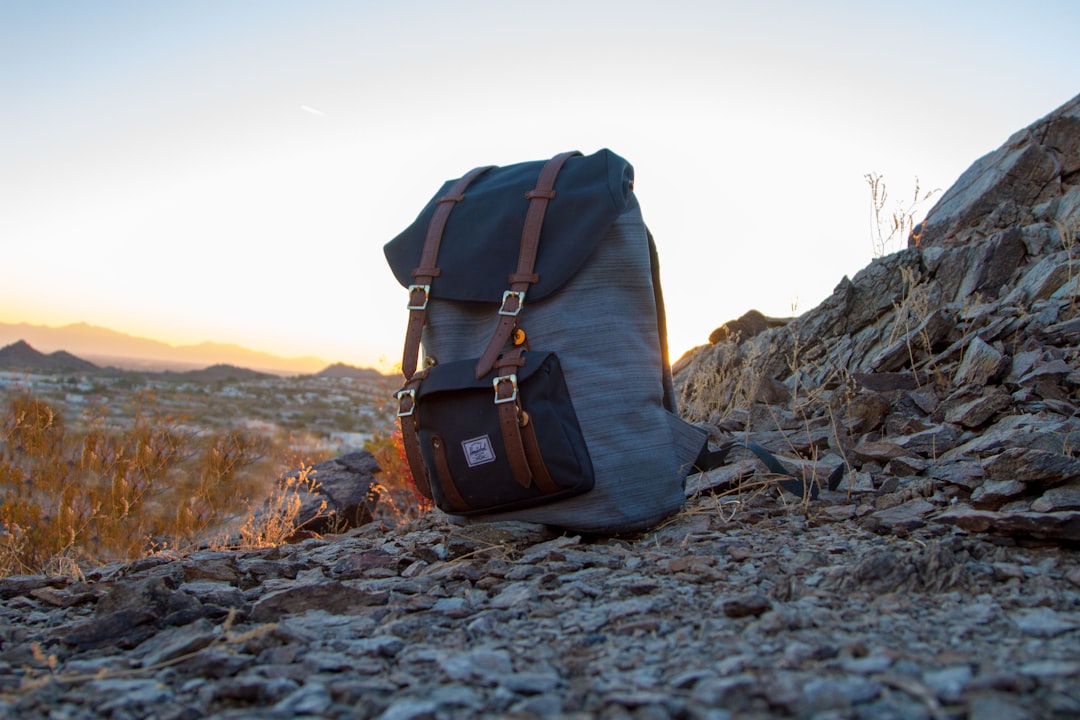
In the ever-evolving world of travel, the right gear can make all the difference. Among the myriad of travel products available, the travel backpack stands out as an essential item for any adventurer. Whether you’re a seasoned globetrotter or a casual weekend explorer, selecting the right travel backpack is crucial for a seamless journey. This article delves into the key considerations when choosing a travel backpack, supported by recent market insights and consumer behavior trends.
The travel backpack market has witnessed significant growth, with a reported increase of 8.5% in sales over the past two years. This surge can be attributed to the rising trend of experiential travel, where consumers prioritize experiences over material possessions. As travelers seek to explore off-the-beaten-path destinations, the demand for versatile and durable backpacks has skyrocketed. Key Insight: As more travelers invest in quality gear, brands that offer innovative and functional designs are likely to capture a larger market share.
When selecting a travel backpack, the first consideration should be size. Backpacks come in various sizes, typically measured in liters. A daypack (20-30 liters) is ideal for short excursions, while a larger backpack (50-70 liters) is better suited for extended trips. It’s essential to assess your travel style and duration to determine the appropriate size. For instance, if you plan on hiking or engaging in outdoor activities, a larger backpack with ample storage for gear and supplies is advisable.
Next, consider the backpack’s fit and comfort. A poorly fitting backpack can lead to discomfort and fatigue, especially during long treks. Look for adjustable straps, padded shoulder straps, and a hip belt that distributes weight evenly. Many brands now offer backpacks in different sizes to accommodate various torso lengths, ensuring a better fit for all body types. A well-fitted backpack not only enhances comfort but also improves your overall travel experience.
Material and durability are also critical factors. Travel backpacks are typically made from nylon or polyester, both of which offer varying degrees of water resistance and durability. If you anticipate encountering wet conditions or rugged terrains, opt for a backpack with water-resistant features and reinforced stitching. Additionally, consider the weight of the backpack itself; a lightweight design can significantly reduce the overall load you carry.
Another vital aspect to consider is organization. A well-organized backpack can save you time and hassle during your travels. Look for features such as multiple compartments, external pockets for easy access to essentials, and internal sleeves for laptops or hydration systems. Some backpacks even come with packing cubes or organizational pouches to help keep your belongings tidy. As the trend toward minimalism grows, travelers are increasingly seeking backpacks that facilitate efficient packing and easy access to items.
Security features are becoming increasingly important in today’s travel landscape. With rising concerns about theft, many backpacks now include lockable zippers, RFID-blocking pockets, and hidden compartments. These features can provide peace of mind, especially in crowded tourist areas or when navigating public transportation.
Price is another consideration that cannot be overlooked. The travel backpack market offers a wide range of options, from budget-friendly models to high-end designs. According to recent data, the average consumer spends around $150 on a travel backpack, but prices can range from $50 to over $500 depending on the brand and features. It’s essential to balance your budget with the quality and functionality you require. Investing in a reliable backpack can save you money in the long run by reducing the need for replacements.
Lastly, don’t forget to read reviews and seek recommendations. Online platforms and social media have made it easier than ever to gather insights from fellow travelers. Look for feedback on comfort, durability, and overall performance to make an informed decision.
In conclusion, selecting the right travel backpack involves careful consideration of size, fit, material, organization, security features, and price. As the travel landscape continues to evolve, staying informed about market trends and consumer preferences can help you make a choice that enhances your travel experience. With the right backpack, you can embark on your adventures with confidence, knowing you have the perfect companion for your journey.